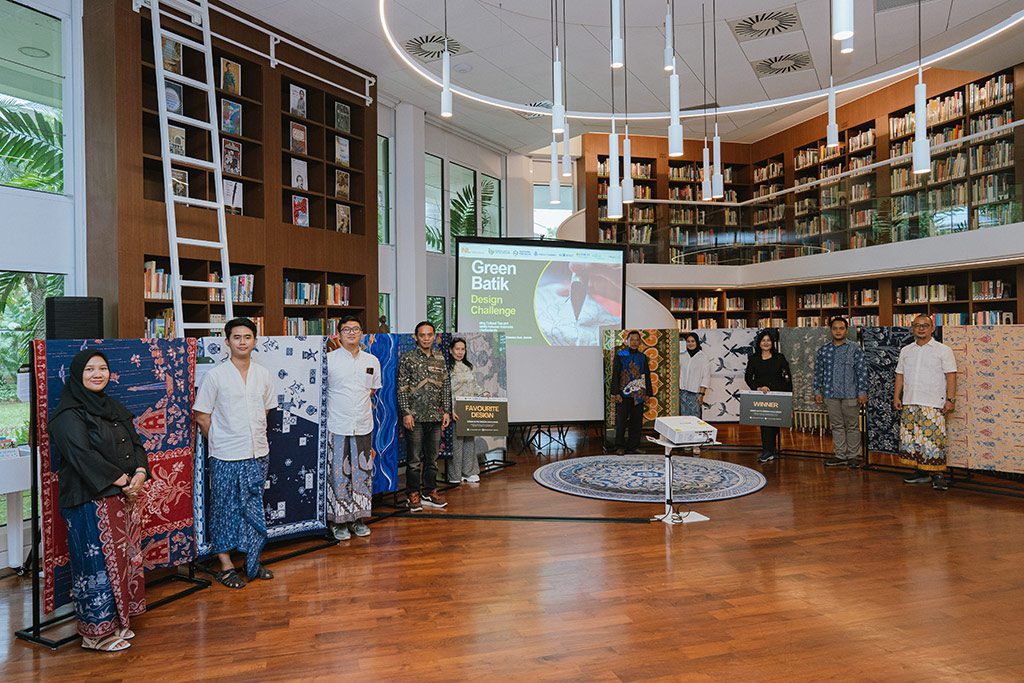
The Green Batik Design Challenge 2025 brought together artisans from Pekalongan to explore how traditional batik design can respond to environmental challenges. The program was co-organized by Green Batik Pekalongan and the Netherlands Embassy, and supported by the Pekalongan City Government, Partners for Water, The Water Agency, Resilience, Universitas Pekalongan, Rietland, and Saxion University.
Ten batik artisans from Pekalongan were selected to participate in the challenge. Each participant developed a batik design that combines artistic creativity with environmental awareness. The program encouraged participants to reflect on themes such as water, sustainability, and cultural exchange while producing a finished batik cloth.
The challenge began on 6 October 2025 at the Batik Museum in Pekalongan, with opening remarks from representatives of the Netherlands Embassy, the Pekalongan city government, and the Green Batik initiative. Over the following weeks, participants worked on their designs while receiving guidance on concept development and storytelling.
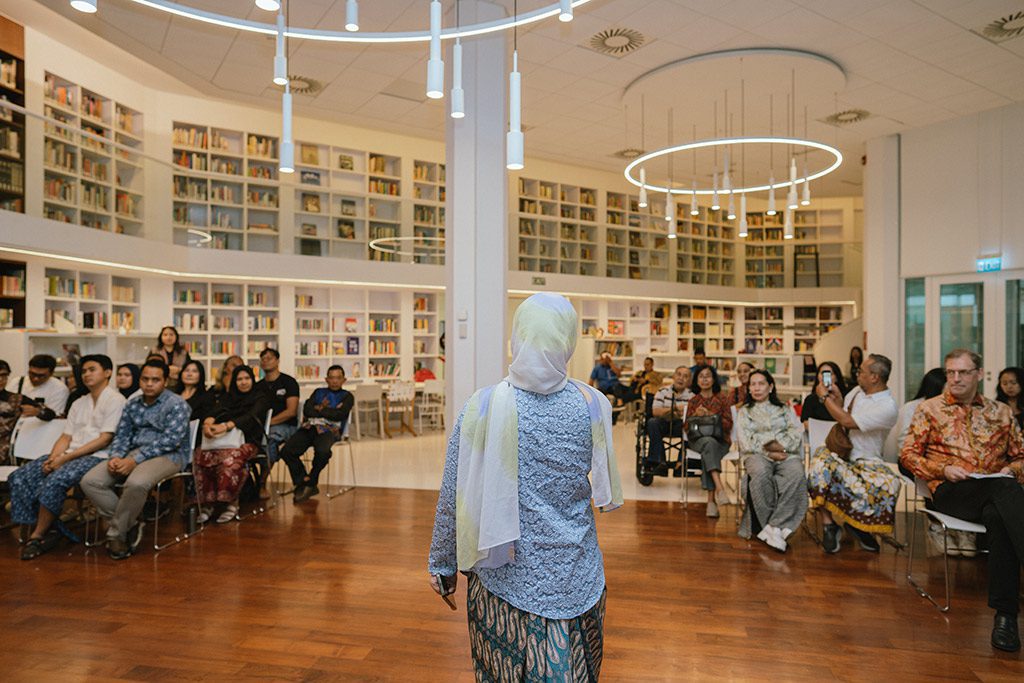
A special storytelling workshop held on 11 November 2025 helped artisans strengthen how they present their work to audiences and customers. The session focused on translating design concepts into clear narratives and building stronger product identities. Participants learned how to communicate the meaning behind their designs, linking artistic inspiration with environmental themes.
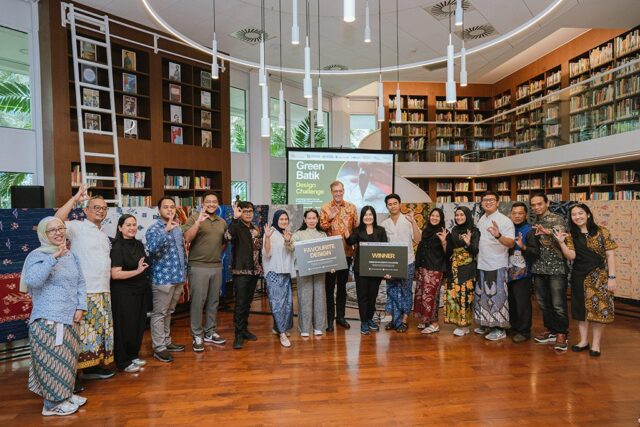
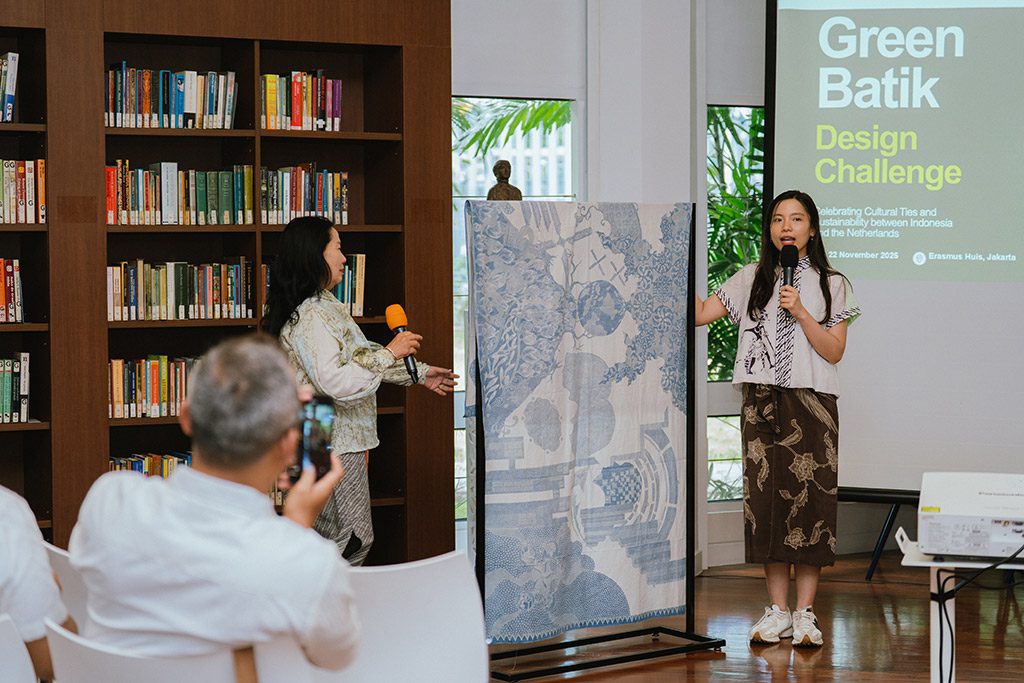
The challenge concluded with a final exhibition and award ceremony on 22 November 2025 at Erasmus Huis in Jakarta. A panel of design experts evaluated the entries based on creativity, concept, and interpretation of sustainability themes. Public participation also played a role in the event. More than 1,000 people joined the online voting process to select a Favorite Design award, which went to Ozzy Batik Pekalongan.
The Green Batik Design Challenge provided a platform for artisans to experiment with new ideas while connecting cultural heritage with environmental awareness. The program also helped strengthen the visibility of sustainable batik and encouraged continued collaboration between designers, communities, and international partners.