Following the successful completion of Phase 1, the Groundwater Serious Game Project entered Phase 2 in March 2025, with a stronger focus on community-level engagement in the Mekong Delta, Vietnam. While the first phase introduced serious gaming as a tool for stakeholder dialogue on groundwater management, the second phase moves the work closer to the communities most affected by groundwater overuse, salinity intrusion, and land subsidence.
This phase concentrates on commune-level collaboration in Ben Tre and Soc Trang, where farmers and local authorities face increasing pressure from freshwater scarcity and changing environmental conditions. The project works directly with local governments, farmer groups, and private sector stakeholders to support practical and locally relevant water management solutions.
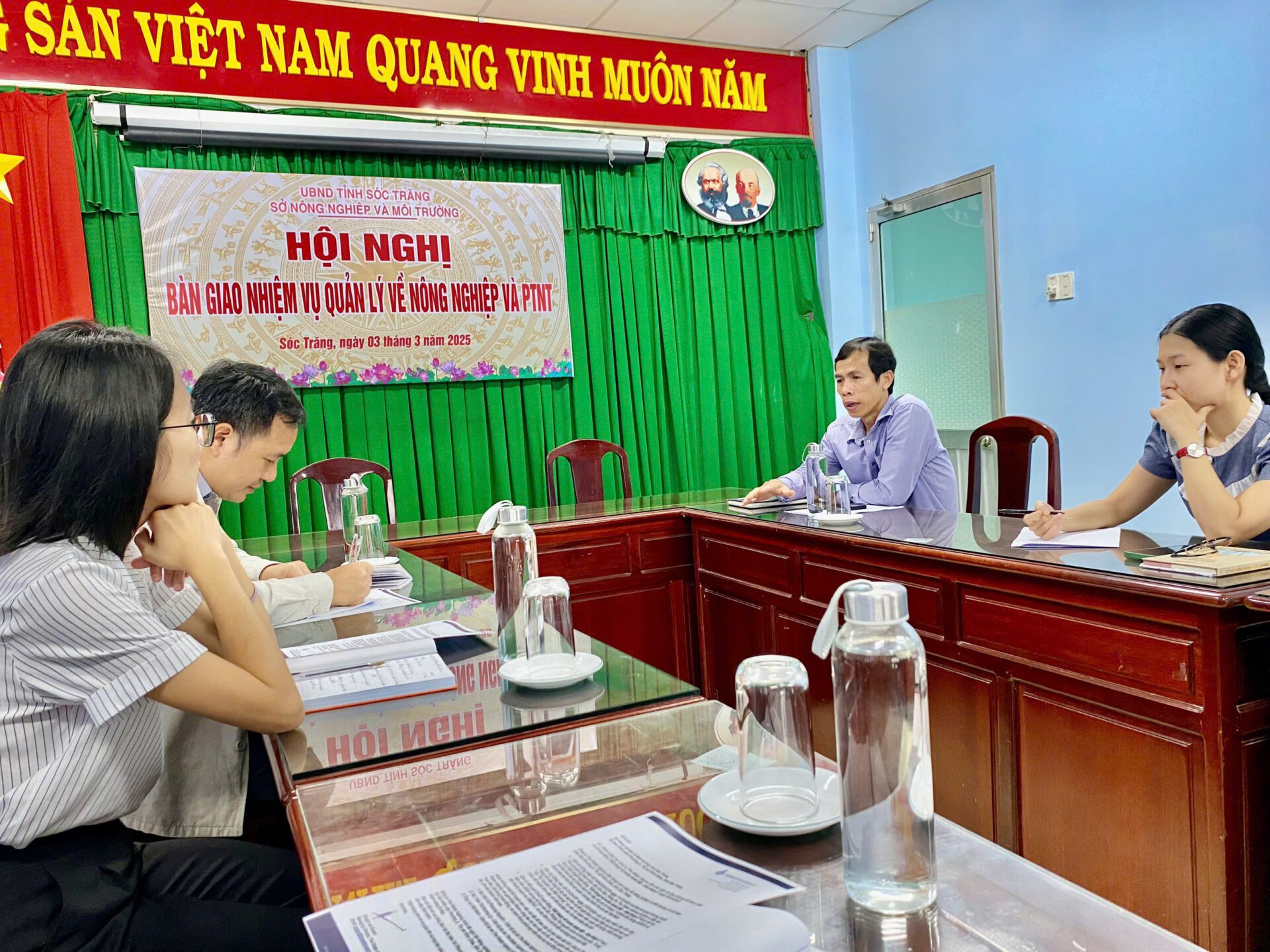
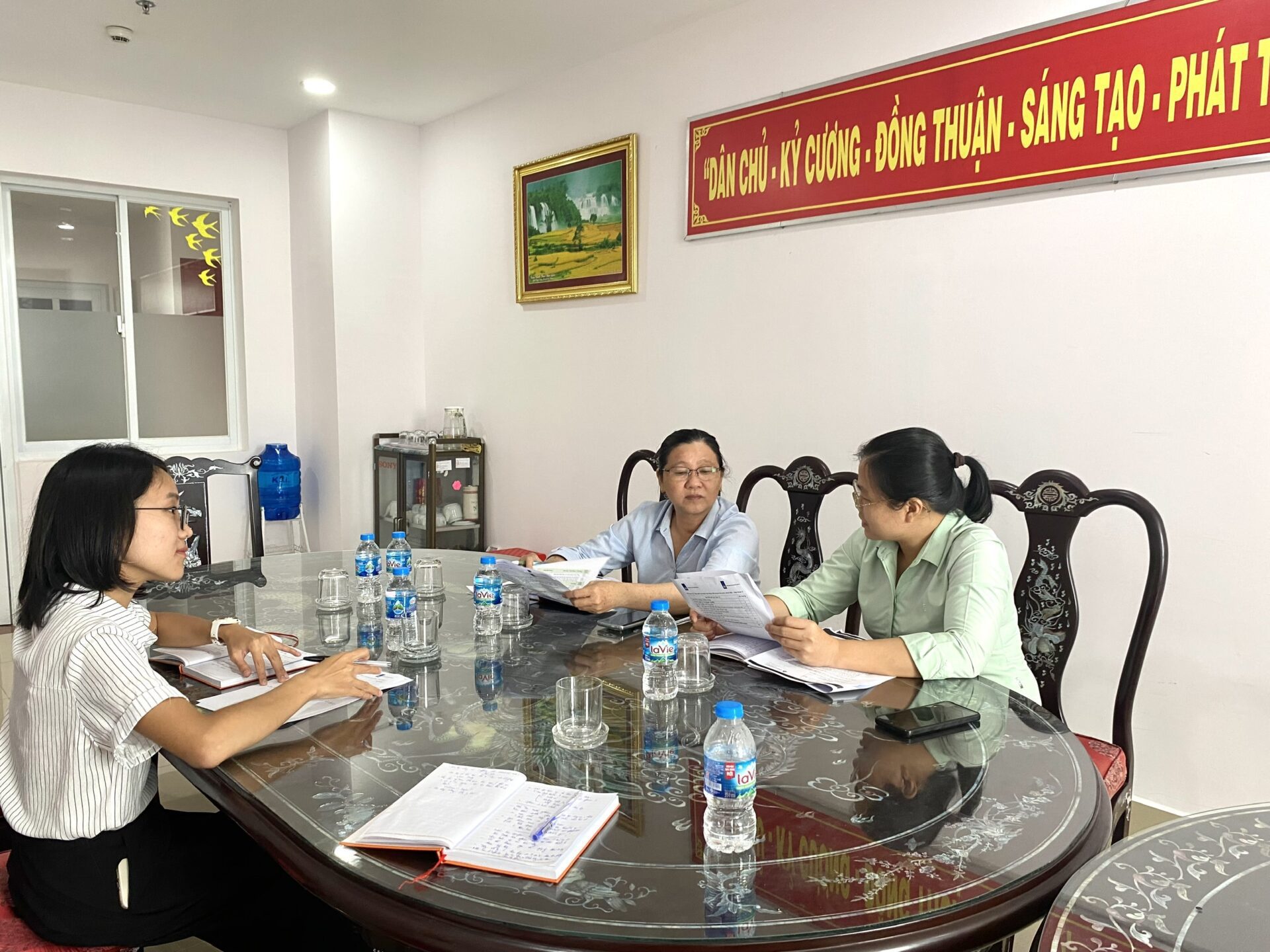
A major part of the early phase involved government engagement meetings across both provinces.
In Phong Nam Commune, Ben Tre, discussions with commune officials and the Farmer Union highlighted the growing impact of salinity intrusion, with salinity levels occasionally reaching 5.0%, directly affecting agricultural production. Local authorities shared that some farmers have already moved away from pomelo cultivation due to these pressures. The proposed Groundwater Serious Game workshops were well received as a way to strengthen local water management strategies.
Further discussions with the Department of Agriculture and Environment (DAE) in Ben Tre confirmed strong institutional support for Phase 2. Building on lessons from Phase 1, the project now includes local moderator development as a central activity. A similar approach is being implemented in Soc Trang Province. Meetings with the DAE and local authorities in Vinh Chau emphasized the heavy reliance on groundwater, particularly for red onion farming, and the need to increase awareness around overuse and long-term depletion risks. Local officials in Ward 2 also welcomed the project and identified the importance of including household-level participation in future workshops.
The next stage of Phase 2 focuses on direct engagement with farmers through workshops, field discussions, and continued moderator training. By strengthening local facilitation capacity and refining the game to better reflect local groundwater realities, the project aims to support more informed decision-making and stronger community dialogue around sustainable water use.