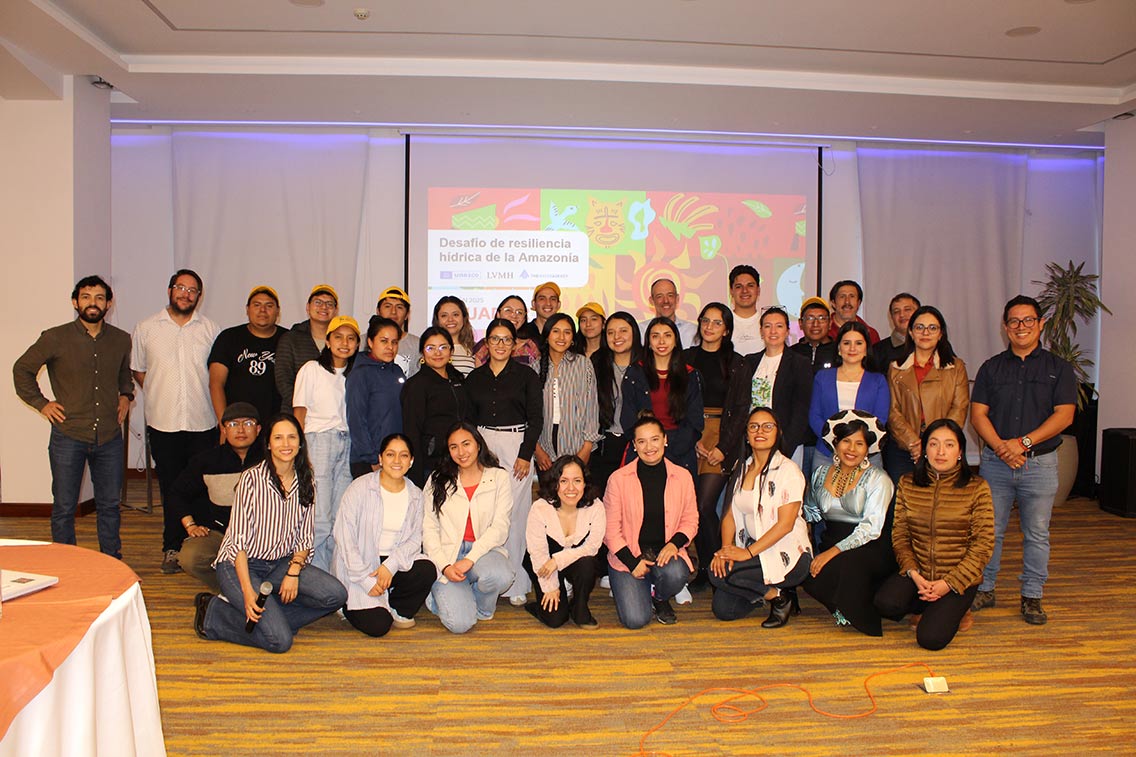
The UNESCO Amazon Water Resilience Challenge – Ecuador 2025 has progressed through an intensive first phase of learning, field engagement, and solution development, bringing together young professionals to address water challenges in the Podocarpus–El Cóndor Biosphere Reserve.
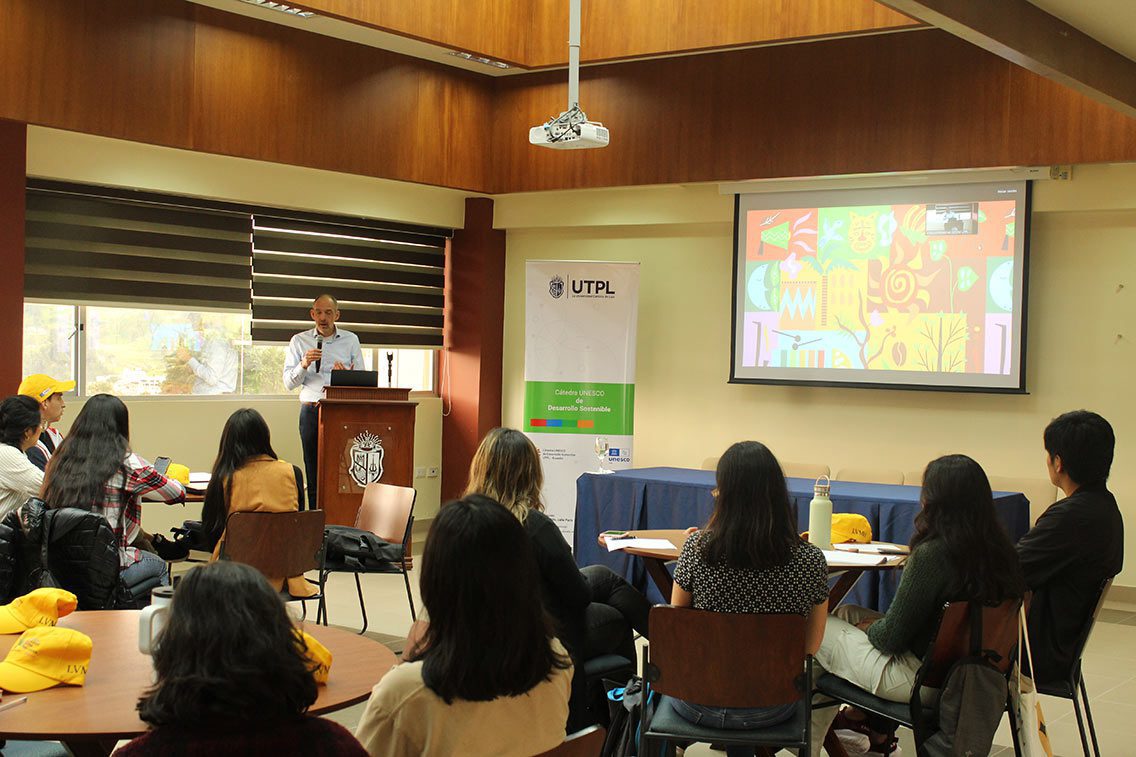
The program began with a structured training series designed to build both technical knowledge and practical problem-solving skills. Across six expert-led training sessions, participants explored the local context of the biosphere reserve, water systems, climate resilience, governance, ecosystem services, and environmental economics.
Early sessions focused on understanding the Podocarpus–El Cóndor Biosphere Reserve, including its biodiversity, cultural importance, and the water-related challenges affecting local communities and ecosystems. Participants were then introduced to problem analysis methods, including the problem tree approach, to help them define issues clearly before proposing interventions. Subsequent trainings expanded into hydrology, integrated water resources management, climate change adaptation, water governance, and payment for ecosystem services, supported by experts from UNESCO, The Water Agency, and local partners from Ecuador. Alongside the live sessions, participants completed self-paced online learning modules covering hydrology, climate change and water, governance, water economics, ecosystem services, disaster risk reduction, and food systems.
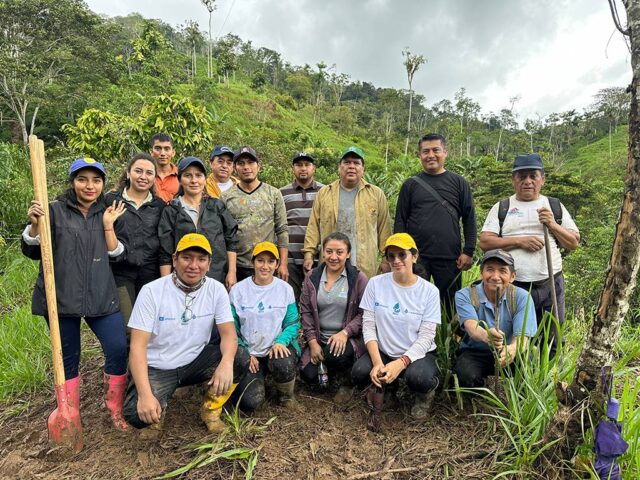
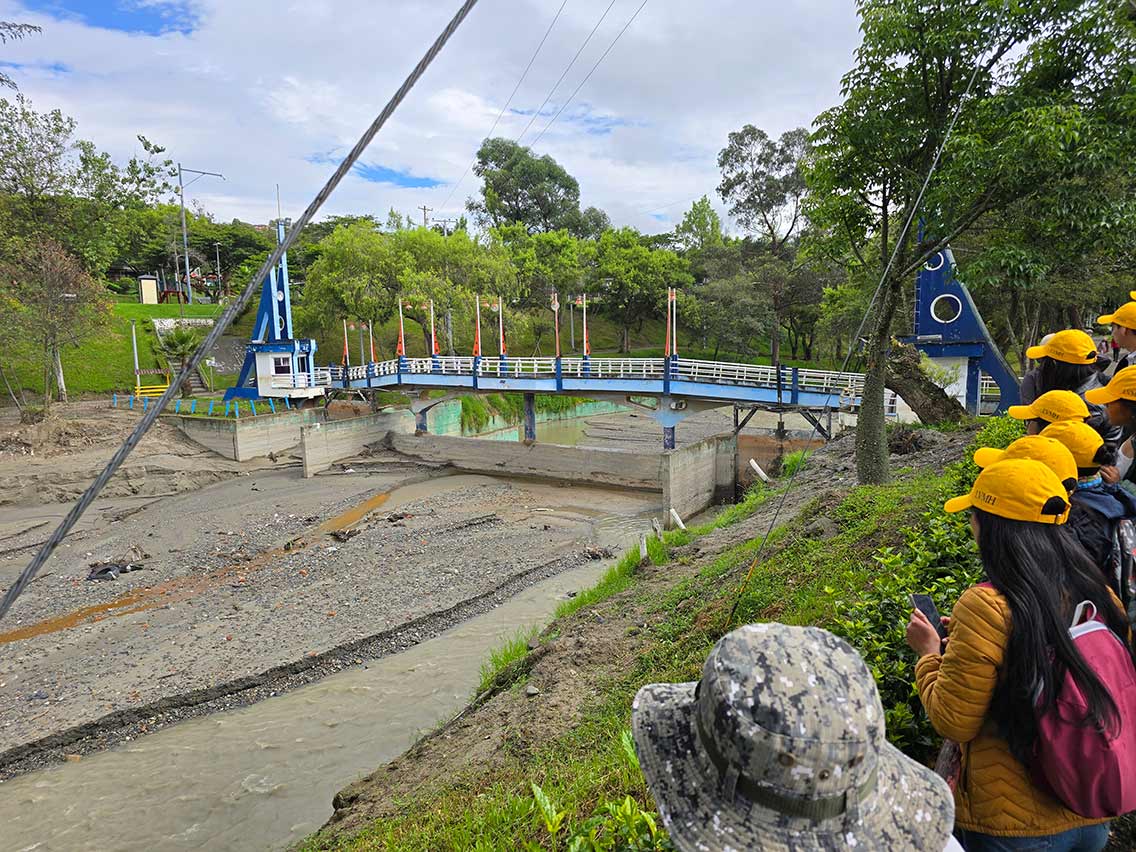
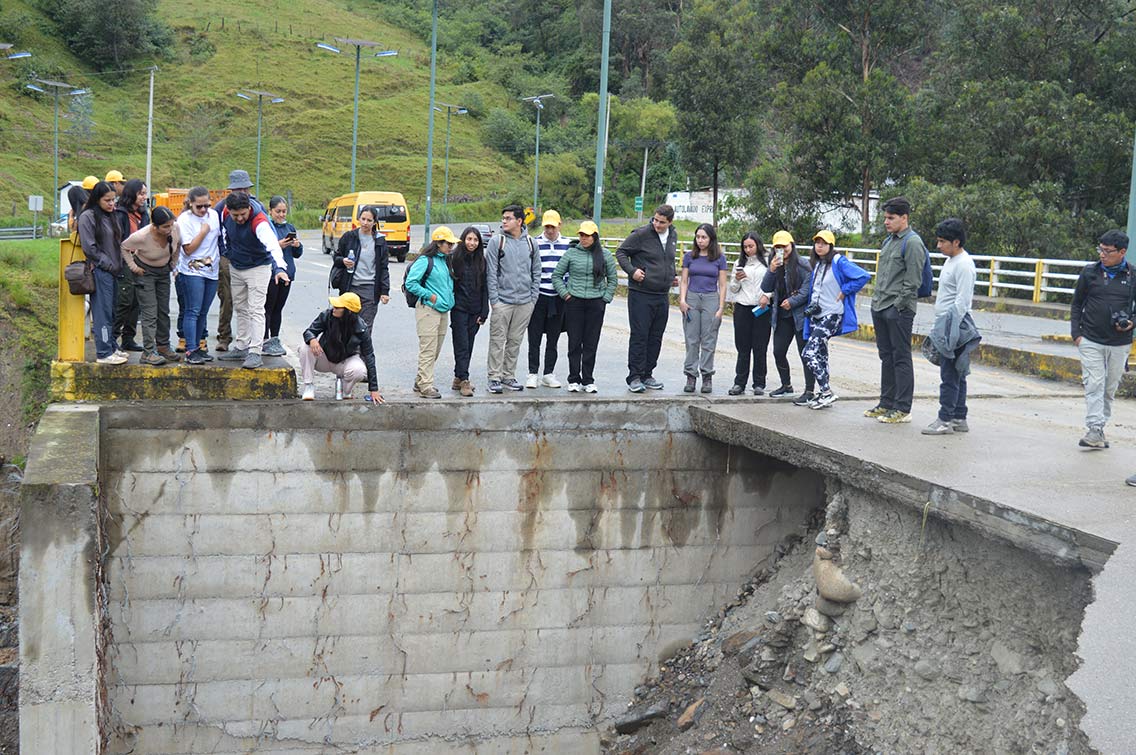
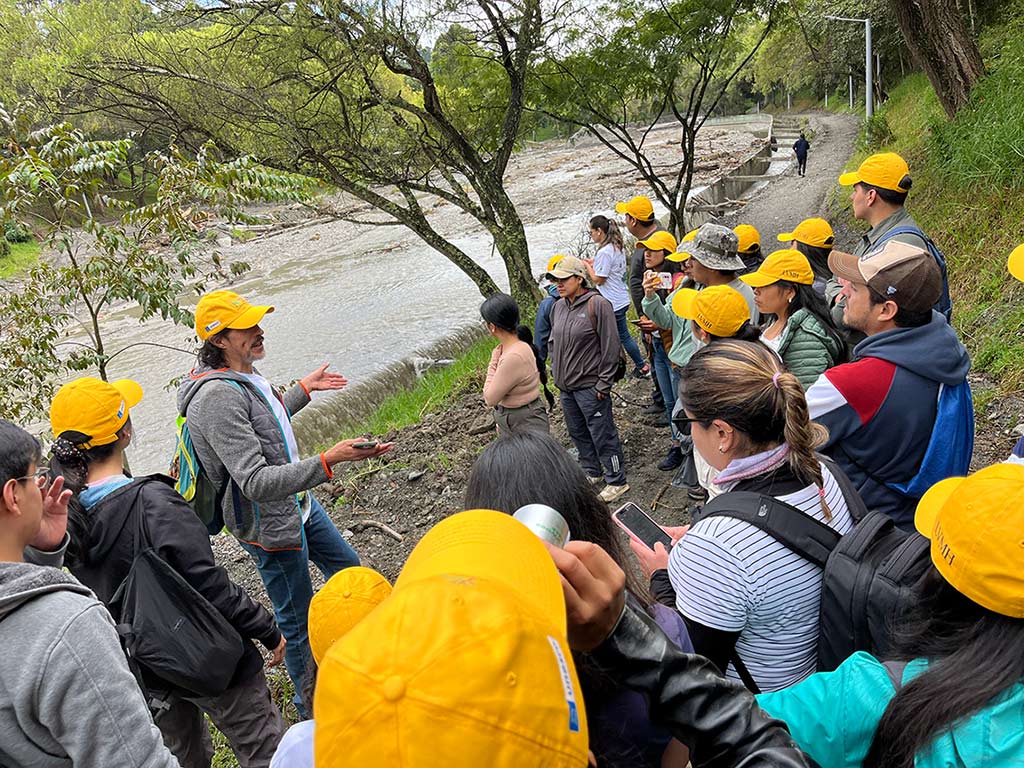
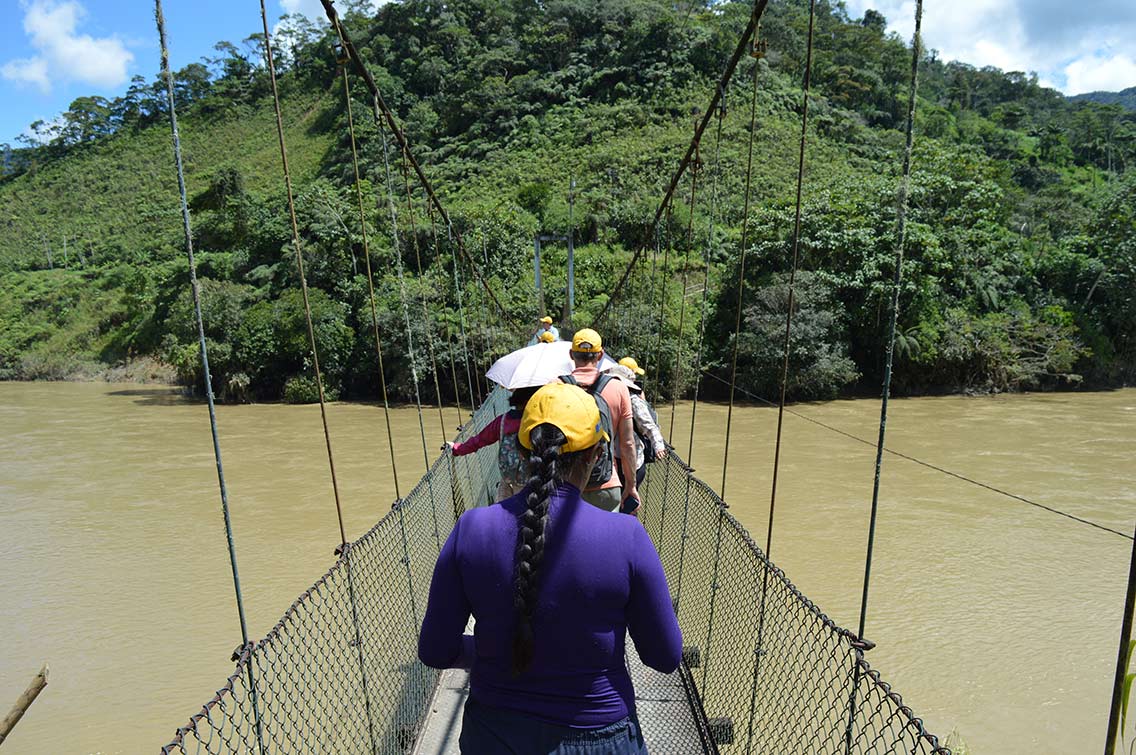
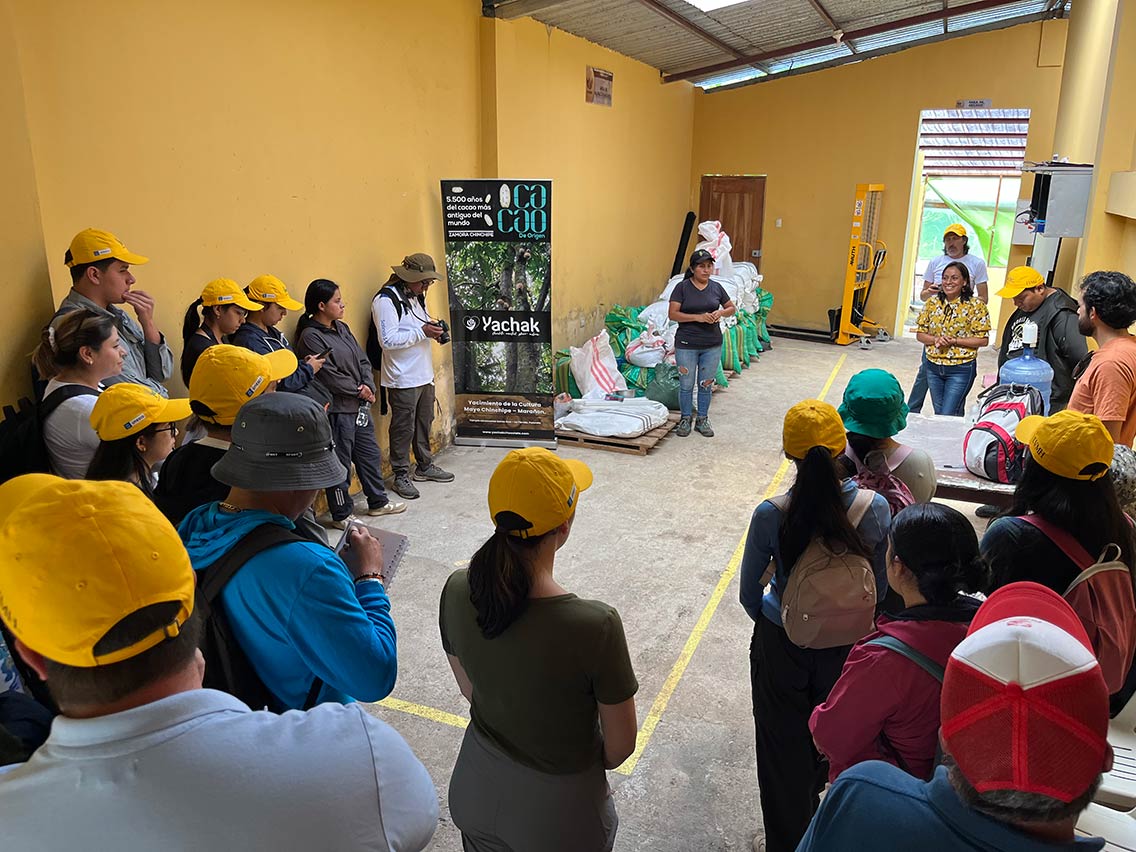
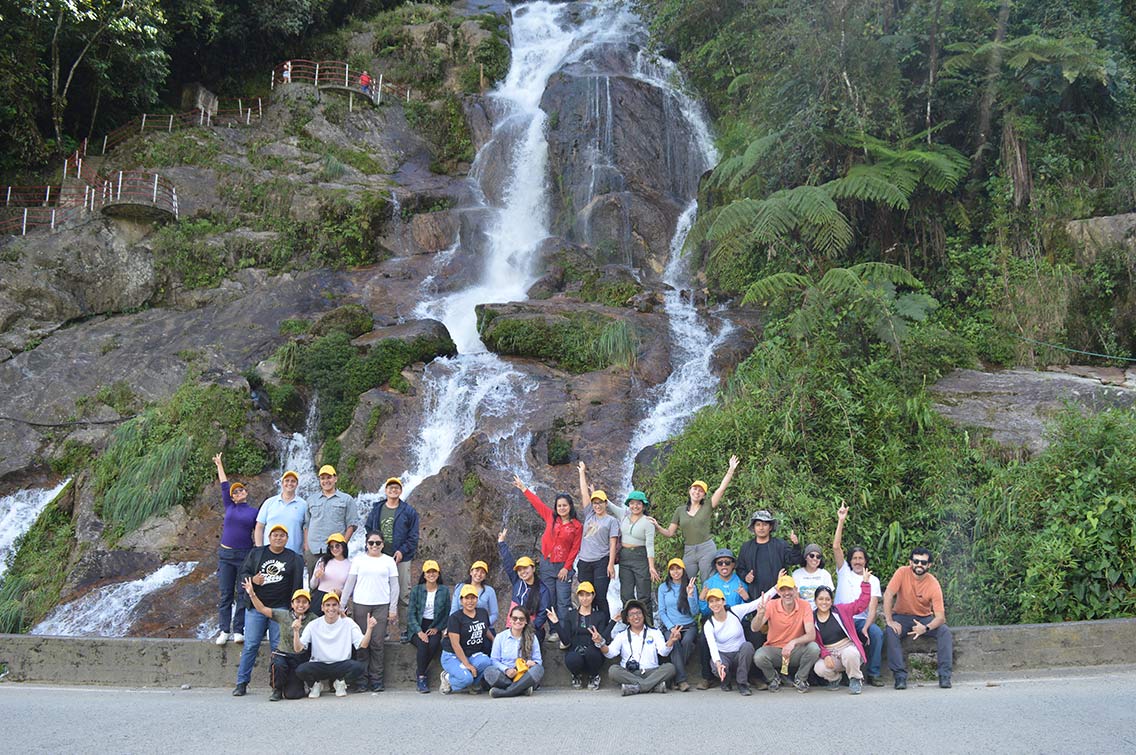
A major milestone of the program was the Field Week in Loja from 16–19 May 2025, where participants moved from theory to real-world observation and stakeholder engagement.
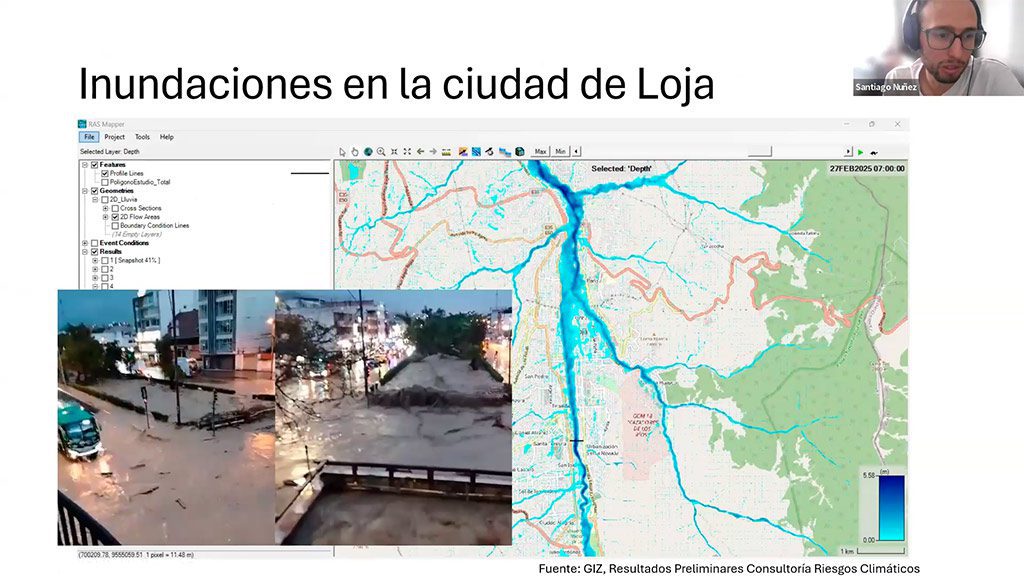
During the four-day field program, teams visited Loja, El Tambo, and Zumbi, each representing different water-related case studies. In Loja, teams explored river-related issues such as erosion, flooding, sedimentation, and pollution in the Rio Malacatos and Rio Zamora. In El Tambo, the focus shifted to water scarcity, drought, and outdated water infrastructure, while in Zumbi, participants examined the impact of mining-related pollution and flooding on water resources and agricultural land.
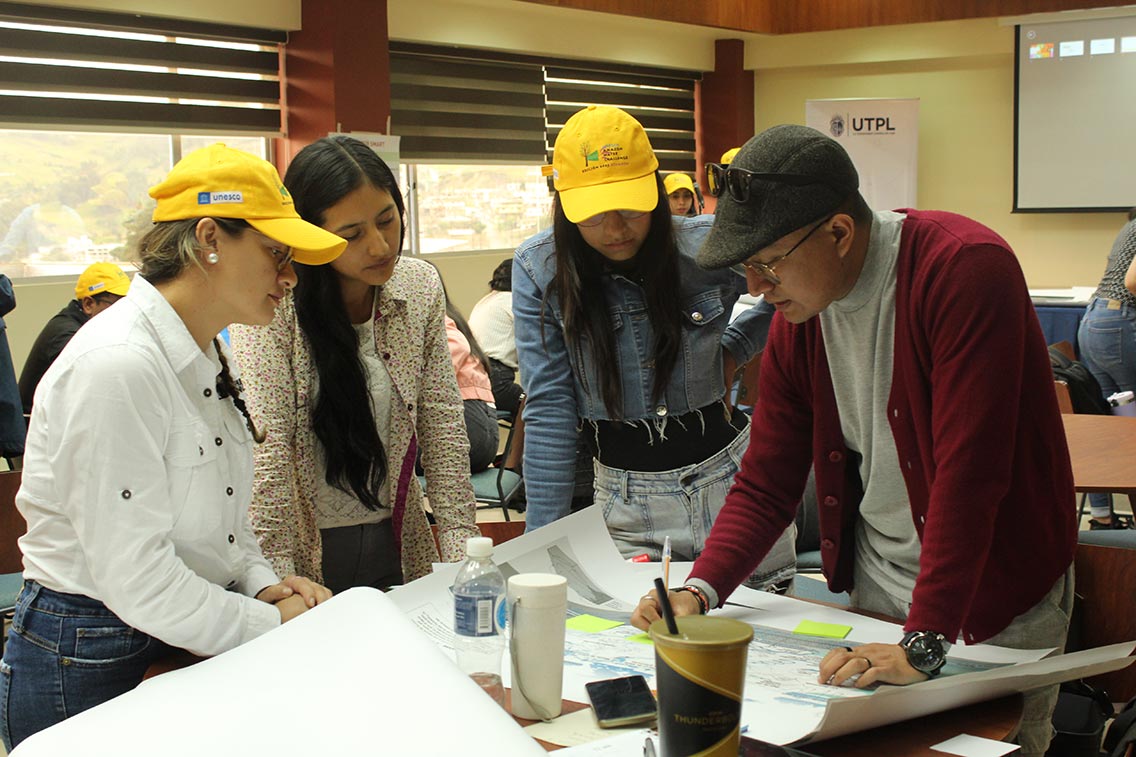
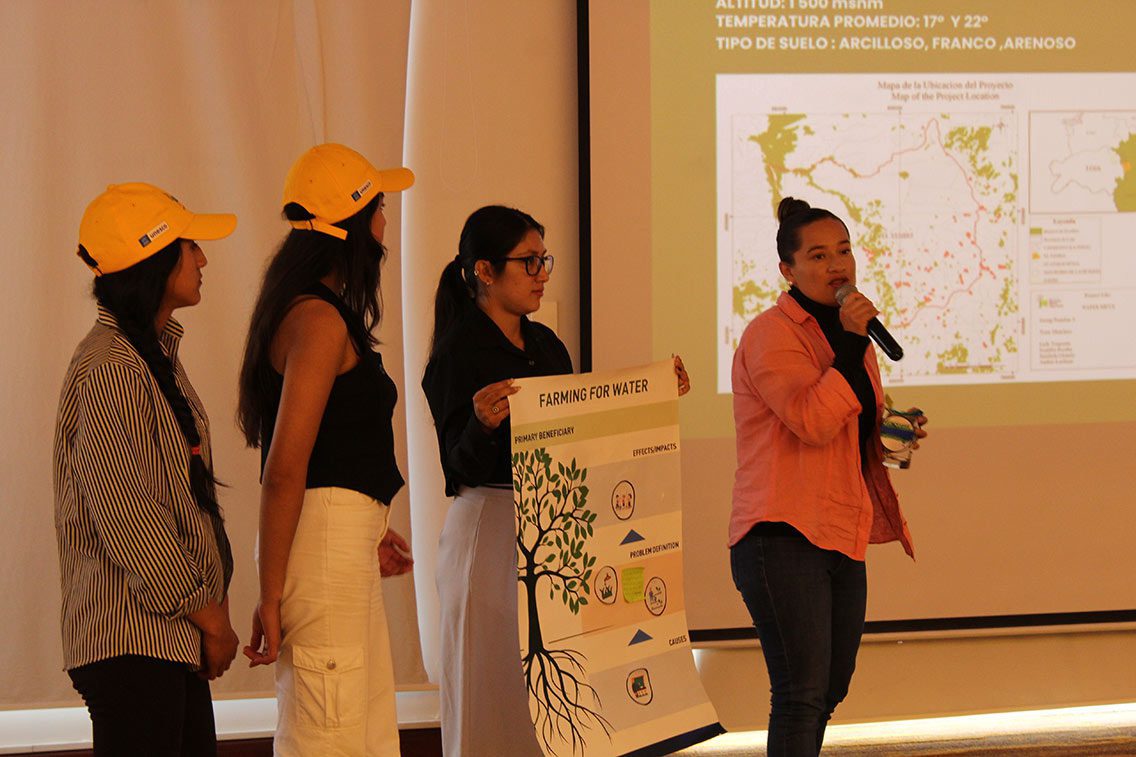
The field visits were followed by collaborative work sessions with mentors and local stakeholders, allowing teams to refine their problem analyses and begin shaping solution concepts grounded in local realities. At the end of the field week, all six teams presented their early concepts to representatives from provincial governments, local municipalities, the Ministry of Environment, National Parks, UNESCO, and local organizations.
The next phase focused on mentoring and solution development, where teams had three weeks to turn their concepts into pilot-ready implementation plans.
Supported by mentors from The Water Agency, UNESCO, and local partners, teams refined their technical approach, stakeholder strategy, implementation timeline, and communication plans.
Following the final evaluation, three winning teams were selected to receive seed funding for pilot implementation. These teams will now move into the implementation phase, piloting their solutions between June and July 2025.