The connection between batik and water was brought to wider audiences in Jakarta this year through a series of public engagement activities led by the Green Batik Pekalongan initiative. From the Jejak Batik exhibition at Erasmus Huis to the Water Impact Week Festival, these events highlighted how culture can help spark conversations about environmental sustainability, water stewardship, and the future of batik production.
Every Line of Batik Carries a Trace
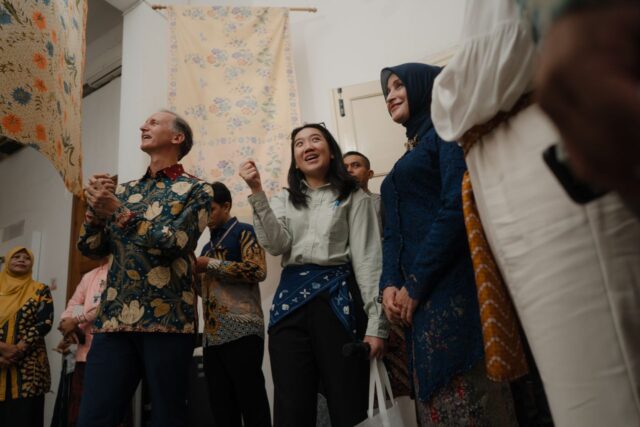
Held at Erasmus Huis from 13 March to 29 April 2026, the Jejak Batik exhibition invited visitors to explore batik through two interconnected themes: water and gender. Under the tagline “Because Every Line of Batik Carries a Trace”, the exhibition presented ten batik works created by workshops in Pekalongan, each reflecting both cultural exchange and a growing commitment to sustainability.
The exhibition encouraged visitors to look beyond the visible patterns on the cloth and consider the people, processes, and resources behind every piece of batik. It highlighted the important roles played by both women and men throughout the production process, while also drawing attention to the critical role that water plays in sustaining the industry.
As part of the exhibition, visitors were introduced to the work of Green Batik Pekalongan, which is helping batik workshops adopt more sustainable practices through innovation, collaboration, and the framework of the 12 Green Batik Goals. The exhibition also engaged families, students, and members of the public, creating opportunities to learn about batik’s cultural heritage alongside the environmental challenges facing the industry today.
Bringing Pekalongan’s Water Story to a Wider Audience
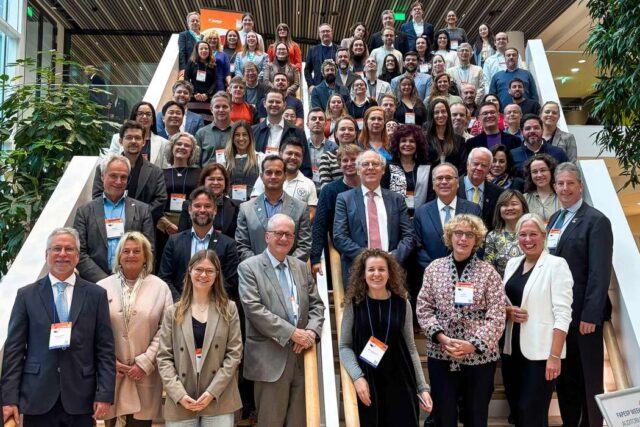
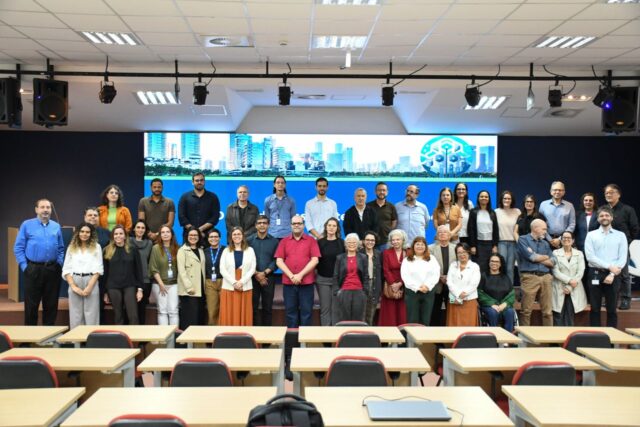
The conversation continued on 4 May 2026 when Green Batik Pekalongan participated in the Water Impact Week Festival at Erasmus Huis in Jakarta. The festival marked 25 years of water collaboration between Indonesia and the Netherlands and brought together policymakers, practitioners, businesses, researchers, and water leaders to explore solutions for a more water-resilient future.
As part of the event, selected works from the Green Batik Design Challenge were showcased alongside the story of Pekalongan’s batik sector and its relationship with water. The exhibition offered a visual entry point into a much broader conversation about water use, wastewater management, groundwater dependency, and environmental sustainability.
Turning Innovation into Impact
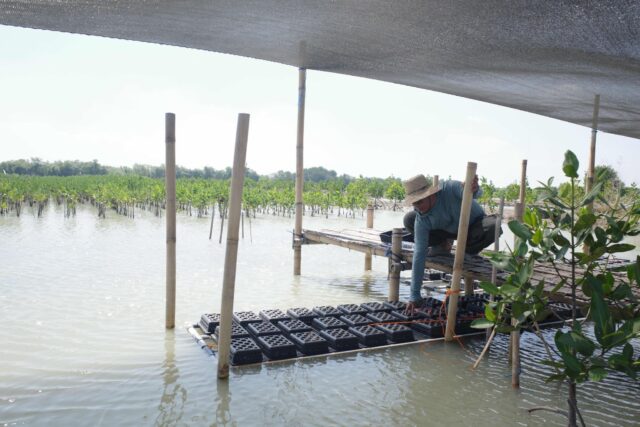
Through the Green Batik Pekalongan initiative, partners are working to demonstrate how sustainable innovation can strengthen both environmental outcomes and cultural heritage. The initiative aims to treat 100% of batik wastewater, reduce water consumption by 70%, and decrease groundwater use by 80%. To support these ambitions, pilot activities have included the development of household-scale wastewater treatment systems that combine biological treatment processes with nature-based solutions such as constructed wetlands.
Connecting Culture and Sustainability
Together, the Jejak Batik exhibition and the Water Impact Week Festival demonstrated the power of culture to communicate complex water challenges in accessible and engaging ways. By connecting batik heritage with conversations about water resilience, environmental stewardship, and sustainable production, these activities helped show that behind every beautiful batik pattern lies a much larger story, one that connects people, water, livelihoods, and the future of Pekalongan’s batik industry.