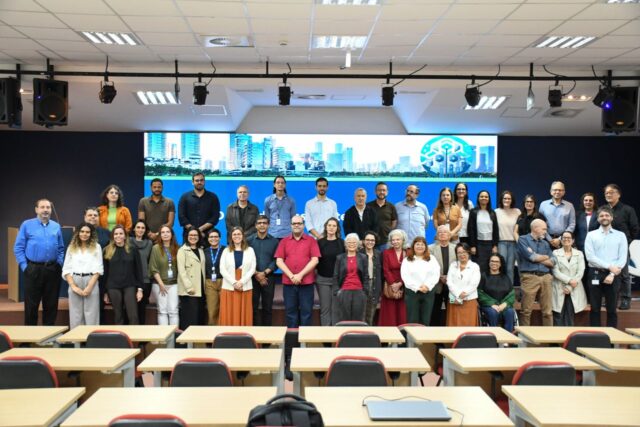
As part of Phase 2 of the Mekong Salt Lab, experts from the Netherlands and Tra Vinh University came together in the Mekong Delta for a week of knowledge exchange, field visits, and collaborative planning focused on strengthening agricultural resilience to saltwater intrusion.
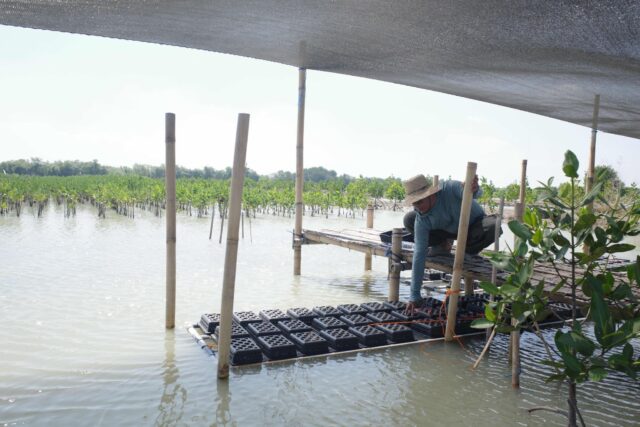
A key component of the programme was a series of visits to three selected Champion Farmers on 15 and 16 October 2023. During these visits, the project team had the opportunity to hear directly from farmers about the challenges they face as salinity increasingly affects agricultural production across the region.
Through field observations, on-site assessments, and conversations with farming households, the team gained valuable insights into how local communities are already responding and adapting to changing environmental conditions. These discussions provided an important opportunity to connect technical expertise with practical, on-the-ground experience, ensuring that future interventions are informed by local realities and priorities.
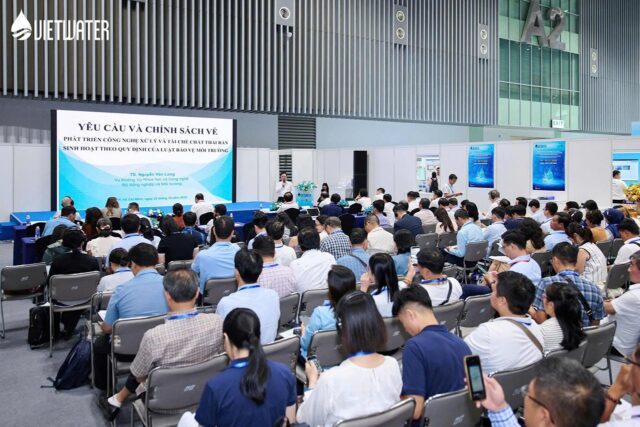
The lessons learned during the farm visits formed the basis for a final workshop held on 20 October, where experts from the Netherlands and Tra Vinh University worked together to translate field observations into practical next steps for the project.
During the workshop, the team discussed potential models and approaches to be implemented with each of the three Champion Farmers, drawing on both local knowledge and international expertise. Lead experts were assigned to support the development of individual farm models, creating a foundation for the next stage of implementation and learning.
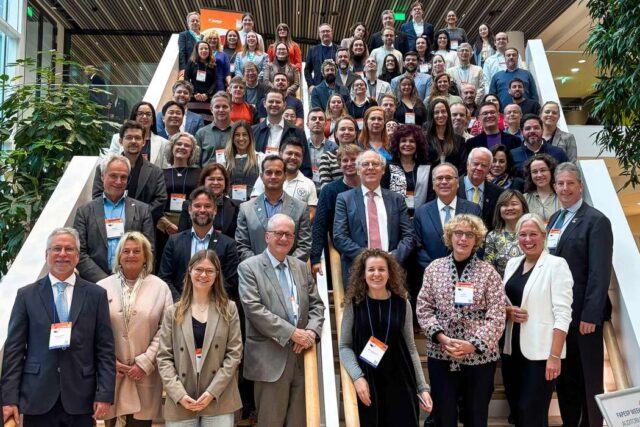
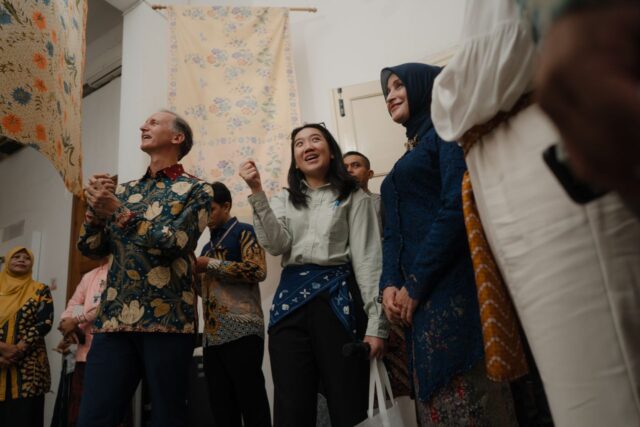
The workshop marked the conclusion of an intensive week of collaboration between project partners. More importantly, it reinforced a key principle of the Mekong Salt Lab: effective responses to salinity challenges must be rooted in close collaboration between farmers, researchers, and technical experts.
By combining practical experience from the field with scientific knowledge and international exchange, the project continues to explore pathways towards more resilient and sustainable agricultural systems in the Mekong Delta.