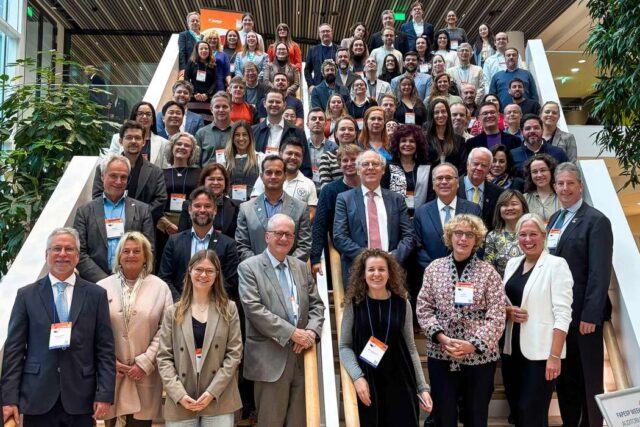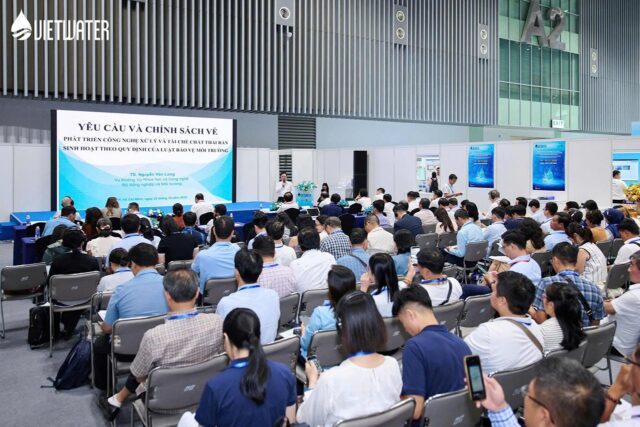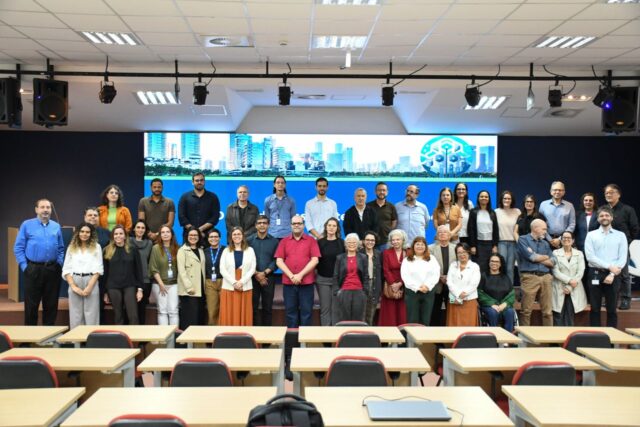
Project partners, researchers, government representatives, and local stakeholders recently gathered in Tra Vinh for the Mekong Salt Lab 2024 Forum, an important milestone in the project’s efforts to strengthen resilience to saltwater intrusion and climate change in the Mekong Delta.
The two-day programme combined field visits and technical discussions, providing an opportunity to review project progress, learn from pilot implementations, and explore how successful approaches can be replicated across the region.
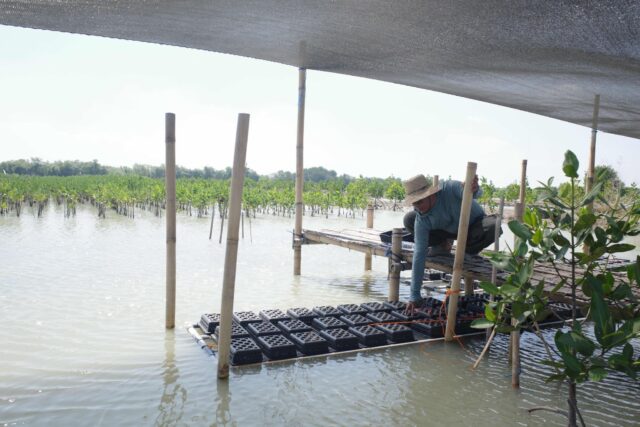
The forum began with a visit to pilot sites in Con Chim, where participants observed a range of solutions being implemented and tested through the Mekong Salt Lab. These included hydroponic farming systems, freshwater collection and storage, water treatment technologies, wastewater treatment, and constructed wetlands.
For The Water Agency team, the visit offered valuable opportunities to discuss how these solutions are performing under local conditions and to hear directly from community members about their experiences. The site visits also highlighted the importance of combining technical innovation with practical operation and local ownership to ensure long-term impact. The pilot sites demonstrate how integrated approaches to water management and agriculture can help communities adapt to increasing salinity, drought, and climate variability while supporting sustainable livelihoods.
The second day of the forum brought together experts, universities, businesses, local authorities, and development partners to reflect on the lessons emerging from Phase 2 of the project. During the discussions, Gregor van Essen, Managing Director of The Water Agency and Project Director of the Mekong Salt Lab, shared insights from the implementation process and the results achieved through six pilot models developed under the project. These models focus on practical responses to water scarcity, salinity intrusion, and sustainable agricultural production.
A key theme throughout the forum was the importance of moving beyond individual pilot projects and identifying pathways for broader adoption. Participants discussed opportunities for replication, local capacity development, and partnerships that could support implementation in other communities facing similar challenges.
As the Mekong Salt Lab continues to evolve, insights from the forum will help shape future activities and inform the next phase of work. By combining local experience, scientific knowledge, and practical innovation, the project continues to explore how communities across the Mekong Delta can adapt to increasingly complex climate and salinity challenges while maintaining resilient and sustainable livelihoods.