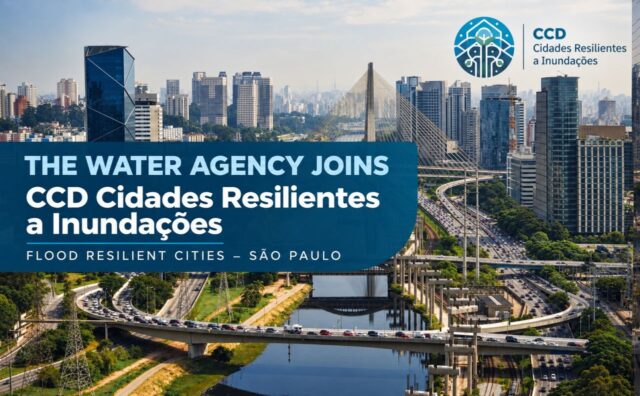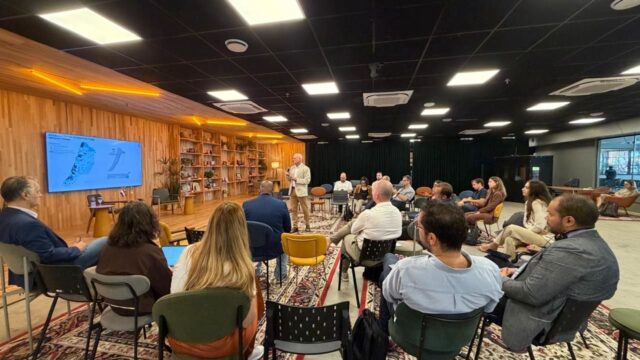
The Water Agency has officially joined the SCD Flood Resilient Cities programme in São Paulo, Brazil, marking an important step in expanding our work and partnerships across Latin America.
Home to more than 20 million people, the São Paulo Metropolitan Region faces growing challenges from flooding, rapid urbanisation, and climate change. Strengthening resilience in such a complex urban environment requires not only technological innovation and scientific research, but also strong collaboration across sectors and communities.
About the Programme
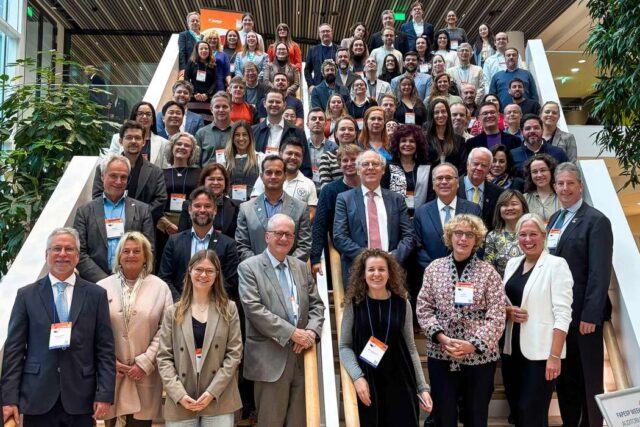
Hosted by the Instituto de Pesquisas Tecnológicas (IPT) and supported by FAPESP, the five-year programme brings together government agencies, universities, public utilities, private-sector organisations, and international partners to develop practical solutions that reduce flood impacts and support more resilient cities. The initiative combines scientific research, technological innovation, and public-sector collaboration to address the increasing risks associated with extreme weather events and urban flooding.
The programme’s initial focus is the São Paulo Metropolitan Region, where partners will work together to improve flood prediction, resilience planning, and decision-making. Key areas of work include the development of urban digital twins, hydrodynamic and predictive modelling, climate monitoring, nature-based solutions, and innovative approaches to urban redesign and governance.
Our Role
As Engagement Partner, The Water Agency will help design, guide, and support the programme’s engagement approach. This includes strengthening collaboration across the programme’s extensive network of partners, connecting local and international expertise, and expanding participation among communities, young people, and other stakeholders throughout São Paulo.
By supporting stronger connections between research, policy, practice, and community action, The Water Agency will contribute to ensuring that knowledge and innovation are translated into meaningful outcomes for people and places affected by flooding.